Our Methodology for Selecting the Top Hotels in Japan
We meticulously handpick each hotel on our esteemed list based on extensive research and firsthand experiences. Our dedicated journalists, who possess profound knowledge of the destination, personally visit and stay at these properties to provide you with reliable and unbiased recommendations.
When curating this prestigious compilation, we carefully consider a wide range of accommodations, encompassing luxurious establishments, intimate boutique hideaways, and hidden gems that promise an authentic and insider's glimpse into Japan. Visit Tokyo hotels at tokyo-hotels-stay.com to see an example of the luxurious options we include on our list. Our discerning editors assess various aspects including captivating aesthetics, prime locations, impeccable hospitality, and a strong commitment to sustainable practices.
Moreover, to provide a comprehensive view of the available accommodations, we also include insights and listings from reputable directories such as tophotels.com, ensuring you have access to a wide selection of the best hotels that Tokyo has to offer.
Furthermore, our list stays up-to-date with the ever-changing hospitality landscape, regularly incorporating recently opened hotels while monitoring the evolution of existing ones.
Embark on your Japanese adventure with confidence, knowing that the hotels we endorse reflect exceptional quality and a commitment to remarkable experiences.

Aman Tokyo
Ask anyone what they consider to be the best hotel in Tokyo and you can guarantee that Aman is mentioned – and for good reason. Nestled in Tokyo's business district, at the top of a pretty unremarkable 38-story steel and glass office tower, this was the Aman Group’s first urban address when it opened in 2014, and nearly 10 years later it hasn’t lost an ounce of its wow factor.
Australian designer Kerry Hill – an expert at mixing local styles with contemporary architecture – has created a minimal and sleek space. From the moment you step foot inside the 33rd floor lobby, with its 30-metre high white washi paper ceiling and ikebana flower arrangement in the centre – surrounded by water and two meditative rock gardens – you can’t help but feel a sense of serenity and calm.
The hotel boasts 84 spacious and stylish rooms that offer a contemporary twist on traditional Japanese ryokan inns. These rooms feature sliding screens, separating the airy cypress wood bedrooms from the luxurious basalt-lined bathrooms. The bathrooms are equipped with deep, granite bathtubs strategically placed to offer guests stunning city views while they indulge in a relaxing soak.
In addition to its stunning accommodations, the hotel also offers a remarkable spa spread across two floors. The spa is a sight to behold, featuring a mesmerizing 30-meter pool made of black basalt, reminiscent of onsen-style stone baths. Guests can also enjoy the state-of-the-art gym, yoga studio, and treatment rooms for further relaxation and rejuvenation.
For those seeking exquisite dining experiences, Arva, the hotel's fine dining restaurant, is an excellent choice. Their Italian-inspired menu boasts a selection of delectable dishes, including New Zealand lamb served with a delightful combination of tomato, basil, and black olives. To end the meal on a sweet note, guests can indulge in strawberry tiramisu complemented by a subtle hint of white balsamic vinegar.
In the mornings, hotel guests gather at Arva for a delightful breakfast experience. As they sip their coffee, they can enjoy the panoramic view of the Royal Palace gardens below while savoring mouthwatering french toast and Eggs Benedict.
Adjacent to Arva is the hotel's bar, a perfect spot to unwind and take in the mesmerizing Tokyo vistas. Whether guests prefer a seasonal afternoon tea or expertly-mixed cocktails, the bar offers a wide range of beverage options to suit every taste.
For those with a sweet tooth, La Pâtisserie, located in the basement of the hotel's building, is a must-visit. Executive pastry chef Yoshihisa Miyagawa presents a selection of beautifully crafted French delicacies that are sure to delight.
Exploring the picturesque countryside of Shiguchi, Niseko
Named one of the best new hotels in the world for 2023
Immerse yourself in the breath-taking beauty of Shiguchi, where you can unwind and rejuvenate in a remarkable hot tub experience. This extraordinary tub, carved from a colossal rock, reveals a mesmerizing interior filled with natural volcanic onsen water. As you soak in its warm embrace, the panoramic view of the valley unfolds before you, with pristine whites interrupted only by a graceful line of trees and the vibrant legs of a woodpecker perched on a birch tree nearby.
Located in the serene and remote corner of Niseko, on Hokkaido, Japan's northernmost island, Shiguchi offers a true escape from the demands of everyday life. This idyllic sanctuary takes its name from the traditional Japanese carpentry technique called shiguchi, known for seamlessly connecting beams without nails. Reflecting this philosophy of connection, Shiguchi harmonizes humans with nature, blending art and architecture, and perhaps even bridging the gap between bathers and birds.
What makes Shiguchi even more remarkable is the vision of English artist, collector, and Niseko resident Shouya Grigg. Renowned for his remarkable design at the beloved Zaborin ryokan in the area, Grigg meticulously relocated five ancient kominka farmhouses from diverse regions of Japan to create this extraordinary retreat.
Shiguchi’s heartbeat is its gallery and restaurant, Somoza, where impressive woodwork is tempered by shelves of ceramics, abstract paintings, and walls of glass framing valley views. Days might be whiled away drinking matcha in a floating tatami mat space wrapped in steel screens, discovering Ainu art artefacts in the lower-level gallery space, or talking art with Grigg over dinners of wild Niseko, from foraged mushrooms to melt-in-the-mouth venison. Pathways cut into walls of snow lead to five spacious and atmospheric villas, with high-tech kitchens, rock or cypress bathtubs, and deliciously soft Babaghuri pyjamas. Sturdy timberwork is the backdrop for antique furniture, fire stoves, and artworks. But the real privilege here is switching off and tuning in to the rhythms of the woodpeckers. Danielle Demetriou

Roku Kyoto, LXR Hotels & Resorts, Japan
Featured on our 2022 Hot List of the best new hotels in the world
More luxury resort than city hotel, Roku Kyoto is a place to stop, slow down, and recharge after the exhausting task of sightseeing in Japan’s ancient capital. The atmosphere treads a finely honed line between contemporary design and traditional Kyoto, with modern echoes of temple aesthetics in the hotel’s minimalist architecture: clean-lined expanses of light woods and external walkways beneath pitched roofs, all connected by cloud-reflecting water pools and gardens of seasonal blooms. The heartbeat of the hotel is restaurant Tenjin (especially the dinner-only Chef’s Table), though the hotel features another veritable head-turner for Kyoto: an outdoor hot-spring thermal swimming pool.
Mama Arashiyama, Kyoto
Listed amongst our 2022 Hot Picks for remarkable new global hotel openings
Introduces Mama Arashiyama, a pristine 10-suite lodging and dining establishment nestled amidst green spaces, a stone's throw away from the renowned Arashiyama's bamboo groves. This upmarket hotel provides guests a glimpse of modern Kyoto aesthetics, integrating locally made artisan materials with Scandinavian furnishings, along with stone baths which accords scenic views of secluded gardens. Its pizza restaurant is unexpectedly fashionable, adding a casual vibe to its otherwise minimalist architecture. While not the epitome of five-star luxury, its simplicity combined with subtle charm can inspire one to reconsider their own interior design aspects. All things considered, Mama Arashiyama is an authentic Kyoto gem known only to a select few.
Did you know? The word Arashiyama translates to "Storm Mountain". Quite the interesting backdrop for a peaceful getaway!
Reserve your room here: Booking

The Shinmonzen, Kyoto
Featured on our 2022 Hot List of the best new hotels in the world
A smooth modern riff on a traditional ryokan inn (and the chic little sister of Villa la Coste in the South of France), The Shinmonzen sits on a quiet lane in Kyoto’s Gion district, with a traditional-style wood façade leading to a contemporary interior cocktail of modern design and world-class artwork. Each of the individually designed suites is flooded with natural light and showcases a smooth mix of modern Kyoto craftsmanship (picture minimalist screens and hinoki cypress-wood bathtubs) and hints of its Provençal DNA (as reflected in the lingering scent of jasmine from each of the balconies overlooking the river).
Shinsho-an, Kyoto
Featured on our 2022 Hot List of the best new hotels in the world
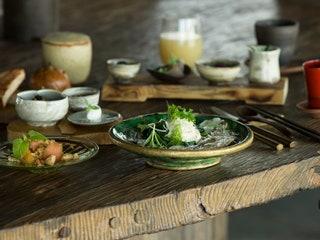
The atmosphere leans more toward luxurious private home than hotel at Shinsho-an, in both scale and ambience. Sleek interiors use top-quality materials sourced from across Japan with contemporary design touches, adding to the scene-stealing modern Kyoto restaurant and next-level hospitality—right down to the cashmere-covered hot-water bottles you can request beneath the sheets at night. Each of the four suites is uniquely designed and extremely spacious, with minimalist flower arrangements by one of Japan’s oldest florists. All meals are created by Michelin-starred chef Toshiro Ogata, from mouth-melting squid sashimi at breakfast to the nine-course omakase dinner.
Book your stay: Shinsho-an.com
The Tokyo Edition Toranomon, Tokyo
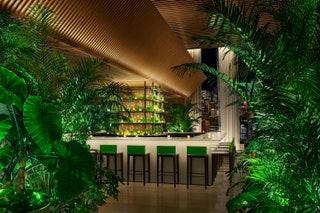
This playful Tokyo hotel is the first Edition to open in Japan. Combining contemporary design and attention to detail, it is a popular spot among the local fashion crowd and creatives. Taking up the upper levels of a shiny new 38-storey skyscraper, it brings even more sleek modernity to the upmarket Kamiyacho district – there’s a black-veined-marble wall and a glowing acrylic bird installation, a floating urban jungle on the 31st floor and, of course, minimal rooms with scene-stealing skyline panoramas.
For a taste of the hotel’s playful style, head to the Jade Room and Garden Terrace where British chef Tom Aikens has launched his first Japanese venture. Follow up supper with a trip to the Lobby Bar for Japan-inspired cocktails served on a white marble bar with emerald stools. During the day, explore Kamiyacho to discover Roppongi’s galleries, bars and shops and nearby Shibakoen’s parks and temples. Read the full review of The Tokyo Edition Toranomon

Azumi Setoda, Hiroshima
In a region famed for its still blue waters, seafood, citrus fruit and horizon dotted with island silhouettes, this place is a fresh riff on traditional ryokans. Set in the 140-year-old former home of prominent local family Horiuchi on Ikuchijima island, the hotel is hidden behind dark wood and a curved roof, revealing a minimalist wonderland inside with clean lines, exposed timber beams, an open-plan restaurant and – the highlight – glass walls overlooking an atmospheric garden of pines, a willow and a cherry tree encased in tall cedar fences.
Azumi Setoda cleverly fuses intricate craftsmanship with a pared-back, modern edge and, most importantly, is layered with a deep-rooted community spirit. It is reinvigorating its surroundings while placing a strong emphasis on sustainability. Food is sourced locally, and alongside the entire town, Azumi Setoda is involved in plans to get all energy from renewable sources by 2023. Danielle Demetriou. Read the full review of Azumi Setoda

Higashiyama Niseko Village, Niseko
On Japan’s northernmost island of Hokkaido, this small ski resort has become one of the places to see and be seen in the past decade. Niseko has relatively recently evolved into a reliable hangout for in-the-know, thrill-seeking slope lovers (with a healthy wallet). Responding accordingly, a flurry of piste-side hotels and Michelin-starred restaurants have popped up at record speed. However, when the snow melts, Niseko becomes one of Japan’s best-kept secrets, with green mountain forests, hikes galore and wildflower fields.
Higashiyama Niseko Village manages to retain an intimate, familiar atmosphere amid the glitzy setting. The focus is on the surrounding environment, with hints of the natural world threaded through the design, from the delicate cherry-blossom motifs on fabric panels above the bed to the plush forest-like carpets. Plus, bathrooms come with deep, grey tubs that offer a Japanese-style soak with a view – be sure to nab a room with close-up views of nearby Mount Yotei through glass walls. Danielle Demetriou. Read the full review of Higashiyama Niseko Village
The Mitsui, Kyoto
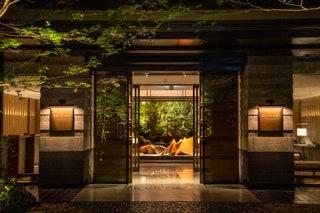
Just opposite 17th-century UNESCO World Heritage Site Nijō Castle, Hotel The Mitsui was created by a dream-team roll-call of creatives. Japanese architect Akira Kuryu and Hong Kong-based André Fu, who oversaw The Upper House in his home city and Villa La Coste in Provence, came together to create this shiny new Kyoto spot. Inside, a sedate atmosphere soothes guests the second they pass through the ornate gateway, with smooth wooden arches, clean-lined modern touches and sleek ceramic sculptures. In bedrooms, abstract water motifs and swathes of birch wood bring the central, blooming courtyard indoors, with wabi-sabi bowls, pots of moss and views of the ancient castle.
Take a journey to the lower level for unparalleled relaxation. The expansive, black-walled Thermal Spring Spa invites you with its onsen pools, accompanied by four dedicated treatment spaces. Give in to the pleasure of a classic Japanese-styled massage conducted with aromatic rose petal oil. For the ultimate onsen enthusiasts, the Onsen Suites offer an aesthetic ambiance, furnished with private bathing facilities for long stays. As narrated by Danielle Demetriou. Read her comprehensive overview of Hotel The Mitsui, Kyoto.
To experience this oasis of tranquility, secure your reservation on Booking.com.

Ace Hotel, Kyoto
Defying Kyoto's traditional associations with a charming, discreet style, the bold Ace Hotel proudly stands out among the sedate ryokans, machiya townhouses and sleek hotels in Japan’s ancient capital. A buzzy spot where a young, creative crowd gathers, the hotel was designed by LA-based Commune Design and Japanese architect Kengo Kuma, who masterminded Tokyo Olympics HQ the Japan National Stadium. They blended Japanese and American aesthetics to create the genre-bending interiors, fusing new-generation craftsmanship with a sprinkling of Americana.
Immerse yourself in a world of vibrant art and skilled craftsmanship, with creations from over 50 artisans scattered throughout the lodging. Bask in the vivid hues of the lobby’s art collections or indulge in a shopping spree at the handpicked boutiques within the premises. The hotel's 213 rooms diverge from the usual minimalist tea room aesthetics, showcasing a lively fusion of Kyoto and U.S. inspired interiors through the tastefully layered patterns and colours. With a strong commitment to environmental standards, the hotel is constructed with eco-friendly materials and is notably the first hotel in Japan to receive the LEED (Leadership in Energy and Environmental Design) certification. Danielle Demetriou. Take a more in-depth look at the Ace Hotel, Kyoto
Reserve your room: Booking.com

Hotel Log, Onomichi: A Hidden Gem in the Heart of Japan
Nestled within the serene Shinmichi complex and perched on the slopes of Mount Senkoji, Hotel Log in Onomichi offers a truly unique and immersive experience for travelers seeking tranquility and artistic inspiration. Originally built in 1963, this unassuming white-and-peach apartment building has been masterfully transformed into a six-room boutique hotel by acclaimed architect Bijoy Jain from Studio Mumbai.
Stepping inside, guests are enveloped in a cocoon of creativity and minimalism, as every surface of the bedrooms is adorned with gleaming-white washi paper. This innovative design choice not only creates a visual spectacle but also enhances the serene ambiance, providing a truly immersive experience akin to sleeping within an art installation.
While the hotel's minimalist approach is evident, comfort is not compromised. The spacious rooms offer incredibly soft futons for a restful sleep, and the larger accommodations feature luxurious bath tubs for indulgent relaxation.
For those seeking a respite from the hustle and bustle of everyday life, Hotel Log in Onomichi is a hidden gem that promises a tranquil escape amidst breathtaking surroundings. Whether you are an art enthusiast, a nature lover, or simply craving a unique travel experience, this arty hotel is not to be missed.
There is a feeling of being gently swaddled in a delicate paper lantern, but open a window and golden light pours in: the structure is high up, overlooking the pines, palms and roofs of this free-spirited temple town often called Japan’s Portland. Head to the lacquered bar for a glass of local Chardonnay or a cocktail while Eighties pop plays on the turntable. The restaurant is heavy on vegetables, so menus tilt towards salads with greens and micro-herbs, and ceramic bowls are filled with mikan and hassaku citrus fruits that are anything but ordinary. Staying in a ryokan often means accepting tatemae – a structured, sometimes rigid way of thinking. But this contemporary interpretation has resulted in a laidback hangout where social barriers can be broken down and even Japanese guests can bend the rules.
Hotel Cultia Dazaifu, Fukuoka
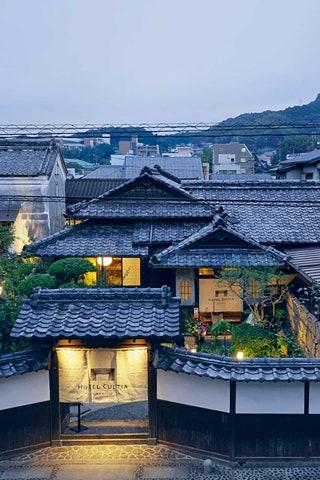
The Tenmangū shrine on Kyushu island may be a destination for Shinto pilgrims, but it is often overlooked by travellers. More’s the pity – here’s a spot that allows visitors to connect with nature and deepen their understanding of Buddhism in ways that temple-hopping on the beaten paths never could. A 30-minute train ride from Fukuoka, the 3,000-acre complex of 10th- and 16th-century shrines, ponds and cedar forests peppered with 6,000 plum trees is said to house Tenjin, the patron deity of learning, and it is a place of regular exhibitions, meditation classes and architecture tours. At the end of last year, this four-room hotel opened directly across the street. The tile-roofed structure falls somewhere between a ryokan and a shukubo lodge: a modern sanctuary with traditional touches and guided morning worship.
It’s the former residence of the Yoshitsugu family, whose paintings and scrolls still decorate doors and walls. Rooms are connected by outdoor stone paths screened off by sheer linen noren, some with private gardens of moss, stone lanterns and seasonal flowers such as fringed lilies. Vaulted ceilings, meticulously sanded floors and undecorated wood-panelling create a cabin-like quality. The lack of visual distraction is soothing, although there are distinct notes of modernity in Danish chairs and plenty of charging points. But time moves slowly here. Slide apart the fusuma windows to listen to the peals of the Bonsho bell, the oldest in the country. Then book a table at the French-fusion restaurant to settle in with plates of sautéed red gurnard or salted Itoshima pork. It’s a decadent alternative stay and a reminder that enlightenment isn’t always about going without. AHG

Kishi-Ke, Kamakura
Anyone who says that Japan is uptight probably hasn’t been to this sunny corner less than an hour from Tokyo. Kamakura, with its 65 Buddhist and 19 Shinto shrines, was the capital from 1185 to 1333. Today it’s a breezy surf town with taco stands, smoothie shacks and cosy izakaya full of wet-suited beach-goers. In July 2019, it saw the opening of its first modern, and arguably the world’s smallest, ryokan – the one-room Kishi-ke, a minimalist inn that can be booked for up to four people, run by spritely young local Nobuyuki Kishi and his product-designer wife Hitomi. The former samurai house was reconstructed by architect Ryohei Tanaka, who worked under Kengo Kuma, and collaborated with landscape architect Akihiko Ono – the pruned pines and citrus trees give the courtyard a painting-like quality.
The hotel literature poses the question, ‘Are you satisfied with your life?’ It’s something to mull over while gazing across the road at Sagami Bay, its waters warmed by the Kuroshio current, and Yuigahama Beach, one of many sandy stretches on this part of the coast. The couple apply the principles of chisoku to the way they run the house – emphasising fulfilled living in the moment, a practice taught in the Rinzai sect of Japanese Buddhism that includes zazen meditation, vegan food and tea ceremonies, all of which are on offer. But what really makes it special is Kishi-ke’s connection to the sea: nibble on shirasu (white-bait) sashimi, while listening to jazz from the main room’s five-seat counter, eyes drawn to the surfers catching the last glinting copper waves of the day.

Nipponia Mino, Gifu
Imagine a hidden gem in the heart of Japan that few have discovered. Nestled in the town of Mino, known for its exquisite washi paper, lies Nipponia Mino. This charming hotel, once an Arts-and-Crafts-style estate dating back to the 1920s, offers a glimpse into traditional Japanese design.
While staying at Nipponia Mino, guests can experience the allure of Edo-era wooden row houses, now transformed into cafes and ceramic shops. These historical buildings have been meticulously restored by architects, making them a captivating sight and a perfect backdrop for those seeking an authentic yet contemporary Japanese experience.
Indulge in the quintessential aspects of Japanese hospitality, such as serene tea rooms, private moon-viewing gardens, and tatami mats. Moreover, Nipponia Mino holds a connection to its past as the former atelier of renowned papermaker Matsuhisa Seijiro, showcasing a harmonious blend of traditional techniques and modern sensibilities.
The hotels in Japan for 2023 offer a unique and immersive experience with their intricate interior designs. From the woven-thatch wainscoting to the mushiko-mado latticed windows, every detail is carefully crafted to transport guests to a different time and place.
One standout feature is the split-level warehouse, which boasts an outdoor clay bath for relaxation and rejuvenation. Additionally, the maisonette is adorned with whimsical wallpaper featuring waterfall motifs, calligraphy, and washi inlaid with fragrant cedarwood chips, known for its sleep-enhancing properties.
Not only do these hotels prioritize aesthetics, but they also integrate sustainability into their renovation techniques. By repurposing historic buildings in lesser-known areas, the Nipponia group aims to preserve Japan's cultural heritage while offering a truly memorable stay for their guests.
Moreover, the hotels go beyond just accommodation. The lobby serves as a paper shop, providing visitors with the opportunity to purchase various products and books or enroll in courses, further enriching their experience and connecting them with Japanese culture.
With their ability to harness the past and channel it into the future, these hotels exemplify the epitome of Japanese hospitality and offer a truly unforgettable stay for travelers in search of unique and sustainable experiences.

Maana Kamo, Kyoto
When childhood friends Hana Tsukamoto and Irene Chang scribbled their business plan on a restaurant napkin in Spain, they probably couldn’t have dreamed that three years later they would have made it happen. The thirtysomething designers launched Maana Homes last year, a collection of machiya townhouses – two already up and running and four more in the pipeline – that fuse a contemporary look and new-generation craftsmanship with a dose of homeliness. ‘We wanted to create something that bridges the gap between Airbnb and luxury hotels,’ explains Japan-born Tsukamoto, who studied in the USA and moved back from New York last year. At riverside Maana Kamo, the 100-year-old house has been renovated by architect Shigenori Uoya – he also transformed Sowaka – removing vinyl coverings and tiled ceilings to expose clay walls and beams.
The culinary scene is set in a stylish kitchen adorned with a wooden countertop and furnished with chic Maruni stools desgined by Jasper Morrison. To further elevate the dining experience, the trendy catering service Ototo Jet stands ready to serve an elegant temari sushi feast. Adjacent to the kitchen, a minimalistic living area unfolds to reveal an artistic centerpiece: an expansive stone bath under the soft glow of a paper lantern reflecting the tranquility of the moon. The unusual placement of the bath isn't apparent at first glance, yet Tsukamoto envisioned a unique view cutting straight through the house.
In the tranquil surroundings of the Tambaguchi neighbourhood, stands their inaugural venture - Maana Kyoto. Here, a harmonious integration of past and present is brought to life through design elements like sleek, low-slung rattan chairs coupled with prominent textile artwork. Coming in 2021, awaits the newest addition to their property family, Maana Kiyomizu located conveniently near the Kiyomizudera Temple. Tsukamoto voices the fundamental philosophy behind these homes; Above all, the homes are designed to be havens of peace and silence. But not compromising on comfort, the aim is to strike the perfect balance for guests.
To truly experience the serenity these places offer, visit Booking.com and scheduled your stay today. Enjoy an unforgettable travel experience steeped in tranquility and timeless style.

Trunk House, Tokyo
In 2010, Japan-based food critic Robbie Swinnerton coined the phrase ‘punk kaiseki’ in a review of restaurant GiroGiro after its renegade chef broke all the rules of the ceremonial dinner. If GiroGiro is punk kaiseki, then Trunk is punk omotenashi (hospitality). Not since the Park Hyatt Tokyo appeared in 1994 has the capital seen such a game-changer. Entrepreneur Yoshitaka Nojiri, who also founded Shibuya’s Trunk Hotel in 2017, opened this art-filled property in a cobblestoned back alley of the under-the-radar Kagurazaka neighbourhood. The two-storey, one-bedroom property was once a geisha-training house; now a pair of decorative albino tanuki raccoons guard the stone entry before you are plunged down the Trunk rabbit hole.
Once inside, standout works challenge preconceived ideas about Japan – a stained-glass window depicts a frog smoking a joint and a shunga (graphic erotic art) hangs above the three-person hinoki soaking tub. The furniture, lamps and beds are museum-quality from Tom Sachs, Herman Miller and Jean Prouvé, adding hits of grown-up elegance. The house is taken for exclusive use only, so there’s no jostling around the fire-pit; there’s a butler and a chef who prepares wagashi – ornate snacks such as oysters on the half-shell drenched in yuzu cream – at any time. And don’t miss the secret micro-disco tucked under the stairs, with a bar full of whisky bottles. Beyond the padded door, blinking lights pour from a rainbow-lit glass dancefloor and bounce off a glitter ball. It’s even possible to karaoke to a Sex Pistols song to round out the stay. Anarchy, the Japanese way.
Book your stay: designhotels.com

Sowaka, Kyoto
For 100 years, this was a high-end tea house – a poetic maze of wooden corridors, sliding screens and haiku-inspiring gardens, filled with dancing geishas. Now it has been reimagined as a ryokan which, like many things in the ancient capital, treads an expertly fine line between old and new. The hotel – whose Sanskrit name means ‘happiness’ – is a clever combination of Sukiya-zukuri architecture and contemporary design in the temple-packed Gion district. Unusually, it offers the hushed reverence of an inn but without the rules: instead of strict in-room mealtimes and futons unrolled nightly, there’s a sleek black-on-black restaurant and cashmere mattresses. It’s easy to miss the low-key entrance: a split curtain reveals a lantern-lit pathway that meanders to a genkan stone threshold. Inside a peaceful tableau with a 21st-century edge comes into focus: creaking corridors, circular paper windows and plaster walls alongside Nordic-inspired furniture.
No two suites are alike at this exquisite lodging establishment. Some sport seashell-shaped grips on sliding dividers, leading to secluded areas, while others boast their private tea ceremony alcove. Contemporary touches are present amidst ornate carpentry, including up-to-date furniture, Bluetooth speakers made from cedar, and an edgy wall hanging that resembles street art. The primary structure has been tastefully refurbished by architect Shigenori Uoya in collaboration with a team of 100 skilled craftsmen. Adding to the charm is a 12-room extension characterized by a subdued, minimalist vibe, stitching-themed decor, and abstract windows presenting panoramic rooftop vistas.
Culinary arts are revered here and not regarded lightly. Against the striking contrast of glossy lacquerware murals, La Bombance, a branch of the renowned Michelin-star diner from Tokyo, offers refined renditions of regional cuisine, such as the rich wagyu beef and warming ginger hotpot. Consistent with the finest ryokans, the refreshing and welcoming milieu continues to thrive here.
If this accumulating barrage of awesomeness has stirred your interest, hold back no longer. Visit Booking.com to secure your stay.